
Cell IO, a database that links cellular-level functions and phenotypes to gene expression, has been released
- Others
- Funding
- Database Integration Coordination Program
On Oct 29, 2026, Team Director Haruka Ozaki and colleagues at the RIKEN Center for Life Science Technologies released Cell IO, a database that links cellular-level functions and phenotypes to gene expression.
Multicellular organisms are composed of populations of cells that exhibit various functions and phenotypes. Such cellular-level functions and phenotypes have been elucidated through responses to pharmacological or genetic perturbations, as well as through measurements of cell morphology, surface antigens, and molecular phenotypes. In recent years in particular, techniques such as single-cell RNA sequencing and spatial transcriptomics have enabled the discovery of new cell types and the refinement of existing cell type classifications within tissues and organs based on gene expression profiles. Consequently, even in tissues and cells where morphological characterization had previously advanced, new cell subtypes are being discovered one after another. However, the knowledge gained from these studies has been scattered across the literature and single-cell transcriptome datasets. Since knowledge regarding cell-level functions and phenotypes was buried within these sources and had not been systematically organized, it has been difficult to reuse this knowledge.
Ozaki Team Director and his colleagues collected and cataloged functional, phenotypic, and perturbation information corresponding to single-cell transcriptome data from humans and mice from the literature, and constructed Cell IO, a cellular database that systematizes information such as cell origin, species, and perturbation conditions. Currently, they are primarily collecting information centered on single-cell transcriptome data and literature from the fields of immunology and neuroscience. From gene expression data, they interpret cellular functions and phenotypes and categorize them, including new cell types identified through single-cell analysis. Additionally, using AI, they comprehensively collect and organize information on cell types, their functions, and phenotypes from the literature.
Cell IO provides two entry points: "Cell Type Search," which allows users to search by cell type based on gene expression information from single-cell transcriptome data, and "Literature Search," which allows users to search based on literature references. In "Cell Type Search," users can search by cell name or ontology ID to view experimental data from single-cell transcriptome analyses in which those cell fractions were detected, as well as the literature describing those cells. Selecting an experimental dataset from this list displays not only the cell types detected in that sample and their proportions but also metadata about the sample from which the data was collected and the UMAP plot from the single-cell analysis. Meanwhile, "Literature Search" displays a list of literature relevant to your keyword search, presenting the cell types described in each paper along with information on the functions and associated phenotypes of those cells as reported in the respective publications. Ozaki Team Director states that by utilizing these features of Cell IO, researchers will be able to gain a comprehensive understanding of which cells perform what functions in which samples. He also notes that the platform is expected to contribute to research aimed at predicting cell functions and phenotypes, as well as research focused on designing cells with desired functions and phenotypes.
Cell IO is developed as part of the JST Program for Database Integration Coordination Program (DICP), "Development of the"Cell IO"database linking cellular level functions and phenotypes with gene expression" (Principal Investigator: OZAKI Haruka, Team Director, Center for Biosystems Dynamics Research, RIKEN).
<Number of Data Records in Cell IO> (as of Oct 29, 2026)
- Number of Experiments: 14,931 experiments
- Number of Cells: 82,852,125 cells
- Cell Types: 697 cell types
- Species: 3 species
- Tissues: 81 tissuess
- Publications: 72,362 Articles (Original Papers and Reviews)
- Functional and Phenotypic Descriptions: 895,323 entries
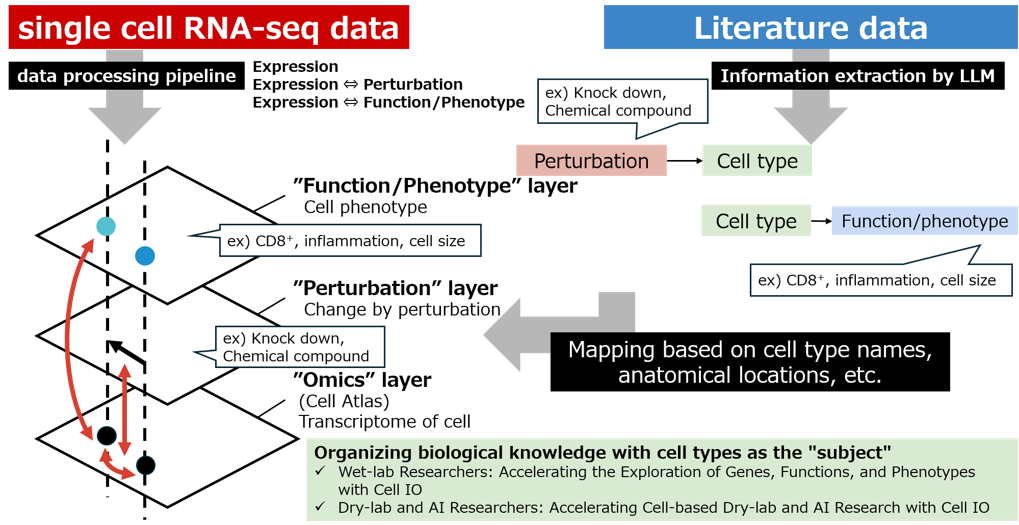
Fig 1: Cell IO concept
This project organizes information on cell functions, phenotypes, and perturbations linked to single-cell transcriptome data, while also extracting information on cell functions and phenotypes from the literature. Metadata--including sample origin, function/phenotype, type of perturbation, and species--has been organized. Furthermore, cell metadata is documented from perspectives such as sample origin, function/phenotype, type of perturbation, and species, enabling users to search and integrate this information.
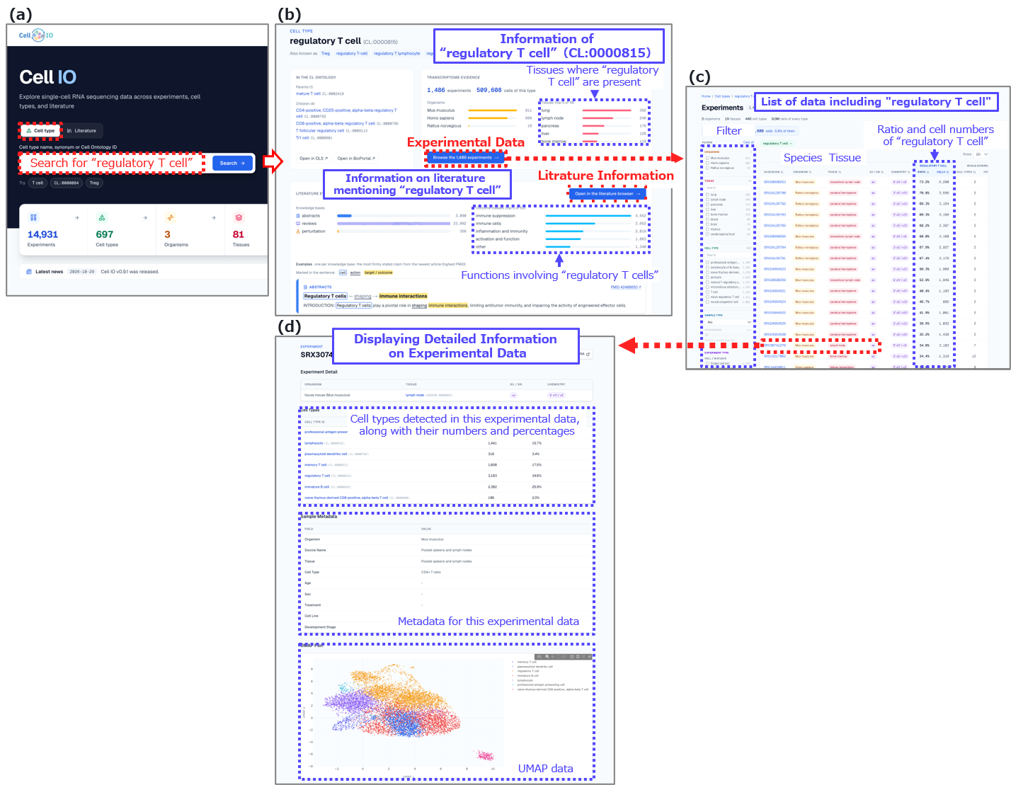
Fig 2: Example Search Using Transcriptome Data ("regulatory T cell")
On the Cell IO top page, select the "Cell Type" tab, enter "regulatory T cell" in the search window, and click "Search" (a). This displays information on "regulatory T cell" (CL:0000815), the tissues in which "regulatory T cell" has been detected, and representative literature references mentioning "regulatory T cell" (b). Clicking the "Browse experiments" button displays a list of experimental data in which "regulatory T cell" was detected (c). The list can be filtered by species, tissue, detected cell types, and other criteria, and can be sorted by the proportion of "regulatory T cells," the number of cells detected, or the number of cell types and total cell counts detected in that experiment. Selecting an experiment displays the cell types detected in that experiment, along with their counts and proportions, the experiment's metadata, and the results of the UMAP analysis (d).
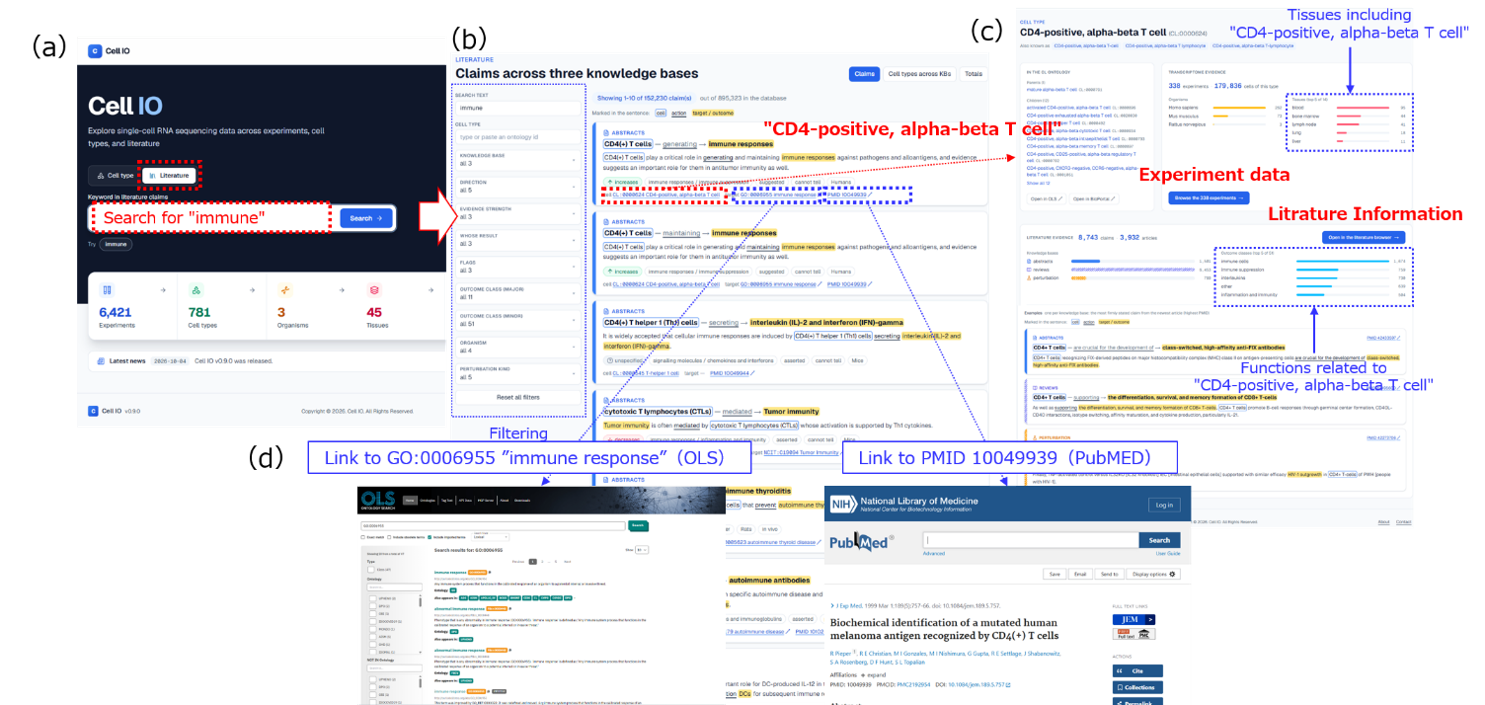
Fig3: Example of a Search Based on Literature Information ("immune")
On the Cell IO top page, select the "Literature" tab, enter "immune" in the search window, and click Search (a). A list of publications associated with the keyword "immune" is then displayed (b). Clicking on a representative cell type detected in those publications displays information about that cell type (in this example, "CD4-positive, alpha-beta T cell (CL:0000624)"), the tissues in which "CD4-positive, alpha-beta T cell" was detected, and representative bibliographic information where "CD4-positive, alpha-beta T cell" is described (c). Clicking "Browse experiments" displays a list of experimental data in which "CD4-positive, alpha-beta T cell" was detected, while clicking "Open the Literature Browser" displays a list of publications that mention "CD4-positive, alpha-beta T cell." "target GO:0006955 immune response" links to the "immune response" page in OLS Ontology Search, while "PMID 10049939" links to the PubMed page for this paper (d).
Related Links

